
English


Views: 0 Author: Site Editor Publish Time: 2026-10-22 Origin: Site


Improper cooling carries a steep operational cost in any professional kitchen. Trapping residual heat and moisture compromises crust integrity immediately. This introduces unwanted sogginess and ultimately leads to inconsistent batch quality across your menu. Resting freshly baked goods or roasted proteins on flat surfaces creates a volatile microclimate. Hot steam gets trapped beneath the food, instantly reversing the crisping process you worked hard to achieve.
Commercial-grade cooling tools solve this physical problem entirely. They are not merely wire shelves used for temporary kitchen storage. They are highly engineered tools designed specifically to manipulate thermal dynamics. They effectively halt the carryover cooking process in its tracks. Using them stabilizes product texture for optimal presentation and extended shelf-life. You will learn how suspended airflow preserves delicate textures perfectly. We will explore which grid architectures offer the absolute best support for different foods. You will also discover how to select the right materials for high-volume commercial environments.
Suspended airflow prevents condensation buildup, eliminating the "soggy bottom" effect in baked goods and fried foods.
Grid density and wire spacing directly dictate the balance between structural support and maximum convection cooling.
Material selection (like food-grade stainless steel) determines whether a rack can safely transition from oven-roasting to ambient cooling without warping or shedding toxic coatings.
Evaluating commercial cooling racks requires aligning rack dimensions and payload capacity with your existing sheet pans and production volume.
Understanding the physics of moisture migration is critical for any culinary professional. When you place a hot product on a solid pan, escaping moisture has nowhere to go. It hits the cooler pan surface and condenses into liquid water instantly. The hot food then reabsorbs this trapped water like a sponge. This physical reaction creates the dreaded soggy bottom effect. It destroys the texture of delicate pastries, artisan breads, and crispy breaded proteins.
Dense baked goods and large meat cuts retain significant core heat long after oven removal. We call this phenomenon carryover cooking. Internal temperatures continue to rise rapidly. Products need 360-degree ambient air circulation to disperse this thermal energy effectively. Without it, the center of your loaf or roast over-bakes. Crumb structures turn dry, tight, and unappealing. You lose control over the final serving temperature.
A lack of bottom airflow completely destroys the benefits of the Maillard reaction. This chemical process gives baked goods and roasted meats their desirable color and crunch. Trapped steam softens the exterior rapidly. Crispy crusts turn rubbery and tough within minutes. Elevating the product ensures that convective air currents carry evaporating moisture away. This simple physical separation preserves the crunch and color you originally achieved in the oven.
Common Mistake: Resting fried foods on paper towels. The towels absorb oil but trap steam, ruining the crust instantly.
Best Practice: Always transfer hot items directly from the cooking oil or oven pan onto an elevated wire grid.
Grid design always forces a trade-off between structural integrity and air circulation. Wide wire spacing maximizes airflow perfectly around large items. However, it can cause delicate pastries to sag through the gaps while they are still warm. Tight grids provide massive support for heavy or soft items. Yet, they slightly reduce the overall volume of air circulating beneath the product.
You must choose grid patterns based on your specific menu requirements. Parallel wire racks work best for large, rigid items. They handle artisan loaves, thick cookies, and big roasts beautifully. Tightly woven cross-wire designs serve a completely different purpose. You need them for delicate cookies, heavy proteins, and soft-crumb cakes. The intersecting wires prevent warm dough from drooping and tearing.
The height of the rack's support feet matters tremendously. Insufficient clearance underneath chokes convection currents. If the rack sits too close to the pan, hot air gets trapped again. This negates the very purpose of using Cooling Racks. You need at least a half-inch of clearance. This space pulls cool room air up while pushing radiant heat out. Good elevation ensures rapid, even temperature drops across the entire batch.
Professional kitchens demand heavy-duty materials for daily operations. Food-grade 304 stainless steel offers incredible durability and corrosion resistance. It handles high oven heat and heavy payload weights without bending. A pure stainless steel baking cooling rack is absolutely essential for heavy commercial use. It survives harsh chemical sanitation in commercial dishwashers daily without degrading or rusting.
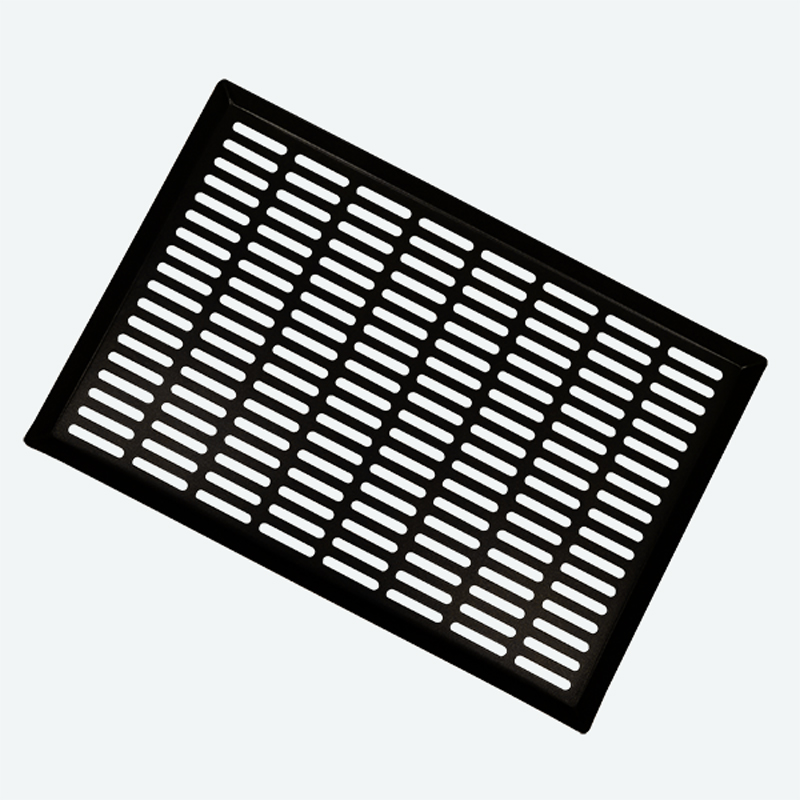
Sometimes you need specialized alternatives for highly delicate tasks. Consider an aluminum perforated cooling rack for specific pastry applications. It provides a flatter, more supportive surface than wire grids. It allows moderate airflow while maintaining the precise shape of macarons or soft tarts. Thermal conductivity is exceptional here. The metal absorbs and dissipates heat quickly. However, it requires careful hand washing. Harsh alkaline dishwasher detergents will pit and discolor raw aluminum.
You must strongly avoid cheap chrome-plated or non-stick coated racks. These consumer-grade coatings fail quickly in high-volume settings. Constant heating and cooling causes non-stick surfaces to blister. Chrome plating flakes off onto food, posing a severe physical hazard. Once the coating breaches, the cheap steel underneath rusts instantly. These coated tools rarely comply with strict commercial food safety standards.
High-quality, uncoated tools serve highly profitable dual purposes in a busy kitchen. They transition seamlessly between cooking stations. You can easily use a heavy-duty commercial baking cooling rack as an active roasting platform. It elevates chicken or bacon above rendering fat drippings perfectly. Afterward, it moves straight to the cooling station. This multi-stage workflow saves pan space and reduces dishwashing volume.
Oven-safe use requires very strict manufacturing specifications. You need 100% uncoated stainless steel construction. Thick gauge wire is absolutely mandatory. Thin wires warp dramatically under high heat. Heavy meat loads will bend cheap metals permanently. A proper commercial rack maintains its rigid shape even at 500 degrees Fahrenheit. It supports heavy cast-iron pans or large briskets without bowing.
These racks also act as brilliant finishing stations. Place them inside rimmed sheet pans. They become perfect catch-basins for messy culinary tasks. You can enrobe cakes in liquid chocolate cleanly. You can glaze dozens of fresh donuts efficiently. They work wonderfully for draining excess oil from freshly fried foods. The product stays elevated above the dripping liquids. This preserves crispness beautifully while capturing the runoff for easy disposal.
Use thick-gauge cross-wire racks for roasting heavy meats.
Place the rack inside a half-sheet pan to catch fat drippings.
Move the entire pan-and-rack assembly from the oven to the resting station.
Transfer the meat to a clean rack for final slicing to preserve the bottom crust.
Under-equipped kitchens often improvise poorly during busy service rushes. Cooks might use flipped muffin tins or random oven grates as makeshift solutions. These workarounds ruin products rapidly. Uneven cooling happens instantly due to blocked airflow. Instability causes dropped food and wasted ingredients. Balancing a heavy sheet cake on overturned pans invites disaster and destroys hours of hard work.
Low-quality tools feature poor weld joints at the wire intersections. These tiny gaps trap grease, flour, and food debris stubbornly. Bacteria multiply rapidly in these invisible crevices. Standard dishwashing struggles to penetrate bad welds. Health inspectors flag these unhygienic tools quickly during routine audits. Keeping your equipment seamlessly welded protects your food safety compliance record.
Replacing broken gear constantly hurts your bottom line. Bent, rusted consumer-grade alternatives die fast in a commercial setting. Wires snap, and coatings peel onto food. Investing in heavy-duty commercial cooling racks completely prevents this cycle of failure. You buy proper stainless steel tools once. They withstand daily abuse and last for decades in rigorous kitchen environments.
You must match rack sizes exactly to your existing commercial pans. Standard dimensions matter for kitchen safety. Full-sheet, half-sheet, and quarter-sheet racks must drop perfectly into their corresponding rimmed baking pans. A precise fit prevents dangerous sliding during transport. It ensures fat or glaze drips exactly into the pan, not onto the floor.
Wire gauge dictates the sheer physical strength of the unit. High-hydration doughs carry significant water weight. Large meat roasts weigh several pounds. Thick-gauge cross-wires prevent bowing under these heavy loads. Always check the payload capacity before buying. If the wires feel flimsy in your hands, they will definitely collapse under a heavy turkey or a massive batch of wet cookies.
Space is always incredibly tight in commercial bakeries. You must consider storage and scalability. Look for stackable tiered systems if you lack counter space. Check speed rack compatibility for high-volume operations. Being able to slide a fully loaded cooling screen directly into a vertical speed rack saves massive amounts of floor space.
Commercial Pan Sizing and Rack Compatibility Chart
Pan Type | Standard Rack Dimensions | Wire Design | Best Use Case |
|---|---|---|---|
Quarter Sheet | 8" x 12" | Cross-Wire | Small batch cookies, resting steaks, residential ovens. |
Half Sheet | 12" x 16.5" | Cross-Wire or Parallel | High-volume pastries, roasting chicken, daily bakery use. |
Full Sheet | 16" x 24" | Thick Gauge Cross-Wire | Mass production breads, heavy roasts, speed rack storage. |
Bun Pan / Display | Custom Sized | Perforated Surface | Delicate macarons, soft tarts, flat presentation items. |
Protecting product texture relies entirely on managing heat and moisture through engineered airflow. You cannot bypass the laws of thermal dynamics. Using proper equipment stops carryover cooking and prevents trapped steam from destroying your crusts. Professional results require tools designed specifically for convective heat dispersion.
We strongly advise kitchen operators to audit their current cooling setups immediately. Discard warped racks that create uneven resting surfaces. Throw away coated racks that chip or show signs of rust. They compromise your food quality and safety daily.
Invest in appropriately sized, heavy-gauge commercial equipment today. Standardize your product output perfectly. Implementing the right grid architectures will streamline both your baking and cooling workflows, ensuring every item leaves your kitchen with the perfect texture.
A: Yes, provided it is 100% uncoated stainless steel. It allows heat to circulate underneath the food for even roasting and crisping. This works perfectly for meats and thick breads. Unlike non-stick or chrome-plated racks, high-quality stainless steel will not melt, warp, or release toxic chemicals at high temperatures.
A: While functionally similar, roasting racks often feature wider gaps and thicker wire gauges to hold heavy meats securely. Baking cooling racks feature tighter grids to support soft, delicate pastries without tearing them. However, high-quality commercial cross-wire racks easily perform both heavy-duty roasting and delicate cooling tasks.
A: Grid density strictly dictates structural support. A tight, cross-wire grid prevents soft, warm baked goods from drooping through the metal gaps. It maintains the product's shape while still allowing sufficient convection airflow underneath to prevent steam condensation and sogginess.
A: No. Raw aluminum can oxidize, discolor, and pit rapidly when exposed to the harsh alkaline detergents used in commercial dishwashers. Hand washing with mild soap is highly recommended to maintain their structural integrity, smooth finish, and excellent thermal conductivity.


