
English


Views: 0 Author: Site Editor Publish Time: 2026-07-30 Origin: Site


Nothing ruins a baking session faster than a tray of burnt cookies or a warped pan popping loudly in the oven. Bakers often blame the recipe when things go wrong. Usually, you simply used the wrong pan material for the job. Choosing between an aluminum baking tray and a stainless steel pan involves balancing two distinct factors. You must weigh thermal efficiency against operational durability. Excellent baking performance often trades off against easy maintenance and non-reactivity.
We will provide an objective, criteria-driven breakdown of both materials. This guide will help you select the exact material matching your baking style. Whether you bake at home or run a commercial kitchen, you will discover the best option for your routine. You will learn to prioritize based on your specific menu, maintenance capacity, and budget.
Best for Baking Performance: Aluminum is the industry standard due to its superior heat conductivity, yielding evenly baked cookies, pastries, and breads.
Best for Durability & Low Maintenance: Stainless steel is non-reactive, dishwasher-safe, and highly resistant to scratching, making it ideal for roasting and heavy-duty, messy cooking.
The Reactivity Factor: Bare aluminum reacts to acidic foods (like tomatoes or citrus), which can alter food taste and discolor the pan. Stainless steel handles all ingredients without chemical leaching.
The Warping Risk: Both materials can warp under thermal shock, but heavy-gauge (18-gauge or lower) versions of either material significantly mitigate this risk.
Purchase Recommendation: Buy aluminum for precise baking (cakes, cookies) and stainless steel for high-heat roasting and acidic savory dishes.
You cannot understand bakeware without understanding thermal dynamics. Different metals interact differently under intense heat. The oven generates ambient energy. Your baking pan absorbs this energy and transfers it into your food. The scientific properties of the metal dictate how efficiently this process happens.
Aluminum possesses remarkably high thermal conductivity. It absorbs heat from the oven environment rapidly. It then transfers this thermal energy directly into your dough or batter. This rapid transfer creates a highly uniform baking surface. You achieve perfectly even browning across your entire batch.
Furthermore, aluminum cools down almost immediately. Once you pull the pan from the oven, the heat dissipates into the ambient air. This rapid cooling physically stops the cooking process. It strictly prevents "carryover baking" while items sit on the counter. Delicate items like macarons and thin cookies demand this exact thermal control to prevent dried-out edges.
Stainless steel operates under completely different physical laws. It demonstrates very poor thermal conductivity. The metal takes significantly longer to heat up. However, it offers exceptional heat retention. Once it gets hot, it stays incredibly hot.
This physical property creates significant issues for delicate pastries. The tray often develops distinct hot spots directly over oven heating elements. This uneven heat distribution burns cookie edges while leaving centers underbaked. When you remove the pan, it holds extreme heat for several minutes. Your baked goods will continue cooking heavily. This delayed cooling easily ruins precise recipes.
Selecting the perfect pan requires a feature-to-outcome evaluation. We break down the four most critical criteria below to help you make an informed decision.
Outcome: You want golden-brown cookies instead of burnt edges or raw centers. Consistent heat matters most for baking.
Verdict: Aluminum wins easily for strict baking applications. Its conductive nature ensures heat spreads evenly across the entire surface.
Outcome: You want to avoid metallic-tasting food or discolored pans. Acidic ingredients like lemon, tomatoes, and vinegar strip reactive metals.
Verdict: Stainless steel wins this category completely. It remains universally safe for all food profiles. You can roast acidic tomatoes or use heavy vinegar glazes safely. It never leaches metallic flavors into your meals.
Outcome: You want to minimize labor hours spent scrubbing pans. Easy sanitation improves kitchen efficiency.
Verdict: Stainless steel takes the win. You can safely toss a stainless steel baking tray straight into a heavy-duty dishwasher. Harsh detergents will not harm it. Conversely, aluminum requires careful hand-washing. Alkaline dish detergents will aggressively oxidize bare aluminum. They cause severe pitting and leave a dark, powdery residue.
Outcome: You want to prevent trays from buckling. A loud "pop" in the oven means the pan warped. This causes liquid batters or roasting juices to pool unevenly in one corner.
Verdict: Tie. Resistance relies entirely on the metal gauge rather than the material type. A lower gauge number indicates thicker metal. Thick pans resist warping perfectly. You should also look for rolled edges enclosing galvanized steel wire. This construction adds immense structural rigidity.
Feature | Aluminum Pans | Stainless Steel Pans |
|---|---|---|
Heat Conductivity | Excellent (Heats/cools quickly) | Poor (Heats slowly, retains heat) |
Reactivity | Highly reactive to acids | Non-reactive to all foods |
Dishwasher Safe | No (Hand-wash only) | Yes (Highly durable) |
Best Uses | Cookies, pastries, breads | Savory roasting, broiling |
Price Point | Very affordable | Premium pricing |
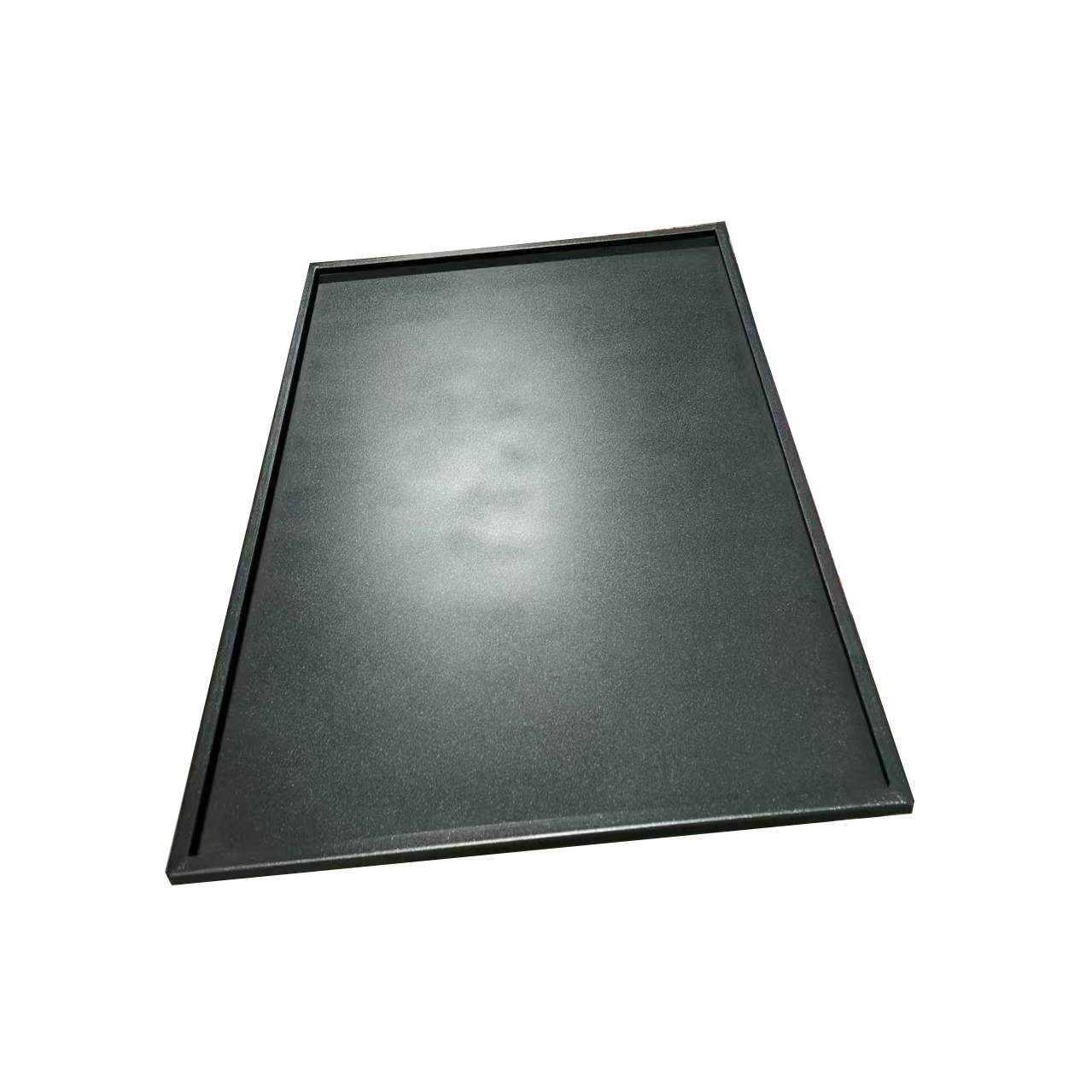
Aluminum remains the undisputed champion inside professional bakeries. However, it requires careful handling. Setting realistic expectations ensures you get the most out of this material.
Cost-Effective: Bare aluminum pans remain highly affordable. You can stock an entire bakery affordably.
Unmatched Even Baking: The rapid thermal conductivity guarantees uniform browning on every single pastry.
Lightweight Handling: Aluminum weighs very little. You can easily lift heavily loaded trays into top oven racks.
Rapid Cooling: The fast temperature drop prevents your delicate cookies from burning on the counter.
Prone to Scratching: Metal spatulas and knives will scar the soft surface quickly.
Highly Reactive: Acidic foods dissolve the top layer of bare aluminum. This reaction ruins the pan and taints your food.
Degrades in Dishwashers: Commercial dish soap destroys the finish. Unless you buy expensive anodized versions, you must hand-wash every pan.
Commercial bakeries rely almost exclusively on aluminum. It handles high-volume cookie and pastry baking flawlessly. Bread makers love it for the even bottom crusts it produces. It works perfectly for non-acidic roasting tasks. Many specialized baking tools, including commercial multi-mold trays, utilize aluminum to ensure consistent cupcake or muffin textures.
Never buy flimsy grocery-store pans. You must look for 18-gauge or 13-gauge commercial half-sheets. Remember, a lower gauge number means thicker metal. A 13-gauge pan offers maximum durability and absolute warp resistance. Choose uncoated, bare aluminum for the best thermal transfer.
Stainless steel offers incredible toughness. It appeals heavily to cooks prioritizing ease of use over strict baking precision. It serves as the ultimate savory workhorse.
Indestructible Build: These pans handle extreme physical abuse without denting easily.
Completely Non-Toxic: The material never reacts to acid. It remains 100% chemically neutral.
Dishwasher Safe: You can sanitize them in high-heat commercial dishwashers safely.
Polished Appearance: High-quality steel retains its mirror finish for decades.
Expensive Upfront: Quality steel costs significantly more than bare aluminum.
Heavier Weight: Handling multiple loaded steel trays tires out your wrists quickly.
Uneven Heat Distribution: Unless it contains a hidden aluminum core, steel creates severe hot spots.
High Risk of Sticking: Proteins bind aggressively to hot steel. You must use parchment paper or heavy oil.
Use steel for aggressive savory roasting. It handles thick cuts of meat and root vegetables perfectly. You can slide it directly under a high-heat broiler safely. It handles acidic tomato marinades without issue. Kitchens prioritizing fast, easy cleanup over delicate baking precision benefit greatly from steel.
Material grading defines steel quality. Choose pans labeled 18/0 or 18/10 stainless steel. These numbers represent the chromium and nickel percentages. High chromium prevents rust. Ensure you buy a heavy-duty gauge. Thin steel warps instantly under a broiler. A thick steel pan will last your entire lifetime.
The right choice depends entirely on your operating environment. High-volume restaurants face different challenges than standard home kitchens. You must scale your selection accordingly.
Bakeries and restaurants monitor production speed constantly. Rapid turnaround times matter immensely. Aluminum cools incredibly fast. Bakers can slide a hot pan out, let it cool for three minutes, and reload it with fresh dough. This cycle repeats hundreds of times daily. Commercial sizing also dictates purchasing. You must buy standard full-sheet or half-sheet pans. They must slide perfectly into standard commercial racks. Heavy-gauge aluminum dominates this space because it balances rapid thermal cycling against low replacement costs.
Home kitchens demand extreme versatility from limited equipment. A home cook bakes sugar cookies on Tuesday. They roast a heavy, acidic lemon-garlic chicken on Wednesday. Multi-purpose usage often makes stainless steel highly appealing. Dishwasher compatibility also drives residential choices. Most home cooks hate scrubbing greasy pans by hand. Finally, aesthetic preference matters at home. A gleaming stainless pan looks beautiful serving food directly on a dining table.
Neither material is universally "better" than the other. Your choice depends strictly on your culinary application and maintenance preferences. Aluminum delivers absolute perfection for delicate baking tasks. Stainless steel provides unbreakable durability for aggressive savory roasting.
We recommend creating a hybrid kitchen setup. Buy one heavy-duty, 13-gauge aluminum tray. Dedicate this pan exclusively to baking sweets, cookies, and pastries. Treat it carefully and wash it by hand. Then, buy one premium stainless steel tray. Use this dedicated workhorse for savory roasting, broiling meats, and messy acidic dishes. You can toss the steel pan directly into the dishwasher. This simple two-pan strategy covers every possible kitchen scenario perfectly.
A: Yes, bare aluminum remains completely safe for daily baking. Scientific consensus shows minimal transfer into dry baked goods. While highly acidic foods can cause harmless leaching, it primarily affects the visual appearance of the pan and the taste of the food, not your safety. Use parchment paper if you feel concerned.
A: Thermal shock causes warping. When a thin pan heats up rapidly, the metal expands unevenly. This forces the metal to buckle or "pop." To prevent this entirely, you must buy lower-gauge (thicker) steel pans featuring rolled edges. Thick metal resists sudden temperature changes.
A: Yes, both materials benefit greatly from liners. Aluminum requires less prep for cookies, but liners guarantee perfect release. Stainless steel binds aggressively to proteins and doughs. You absolutely must use parchment paper, silicone mats, or heavy oil on steel to prevent severe sticking.
A: No. You should never put standard bare aluminum in a dishwasher. The harsh alkaline detergents will aggressively oxidize the metal. Your pan will turn dark grey, develop pits, and leave a chalky, powdery residue on your hands and food. You must wash bare aluminum by hand.


